5+ Powerful Facts About Biblically Accurate Lucifer
The name “Lucifer” appears only once in some Bible translations, specifically in Isaiah 14:12, where it is used to describe the fall of the “morning star.” Biblically Accurate Lucifer is a fascinating topic that often sparks curiosity, debate, and confusion among Christians and Bible readers.
While many people associate Lucifer with Satan, the Bible’s actual references and descriptions reveal a more complex story rooted in scripture, prophecy, and interpretation.
Let’s explore who biblically accurate lucifer appearance really is, what the Bible says about his origin and fall, and how different biblical passages have shaped our understanding of this mysterious figure.
Biblically Accurate Lucifer
Biblically Accurate Lucifer embodies a complex dichotomy, often misunderstood in modern interpretations. In the Biblical narrative, Lucifer is depicted not merely as a figure of evil but as a once-revered angel, often associated with light and wisdom.
His fall from grace serves as a powerful metaphor for rebellion against divine order, reflecting the struggle between free will and predestination. This transformation invites believers to confront questions of faith, pride, and the nature of sin.
Biblically Accurate Understanding of Lucifer’s Identity
The identity of “Lucifer” is less clear than commonly thought. It appears in Isaiah 14:12, referring to a fallen figure as the “morning star” in a taunt against the king of Babylon, not as a supernatural being.
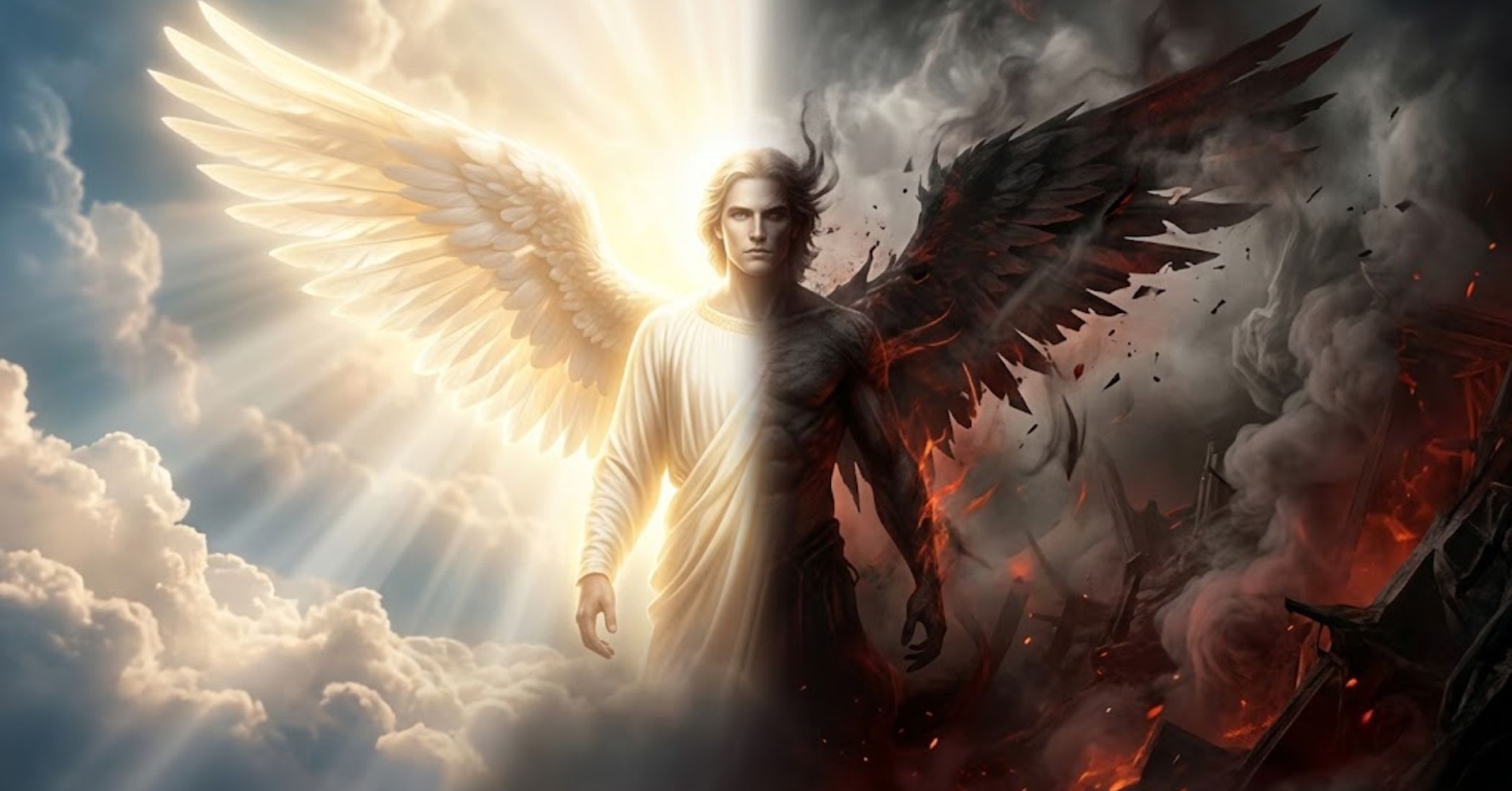
Thus, “Lucifer” isn’t explicitly linked to Satan in the Bible. In other scriptures like Job and the New Testament, Satan is presented as an adversary rather than a fallen angel. The notion that Lucifer and Satan are identical stems from later theological interpretations, not direct biblical assertions.
Read Also: 40+ Powerful Everything Happens For A Reason Bible Verse To Strengthen Your Faith
Common Misconceptions About Lucifer in Modern Culture
Modern culture portrays Lucifer as a villain, often depicted with horns and red skin. This image diverges from scriptural descriptions, largely influenced by works like *Paradise Lost*, which presents him as a rebellious angel.
The term “Lucifer” is a Latin word for “light-bringer” and does not consistently appear in the Bible. The scripture lacks a comprehensive narrative of Lucifer ruling hell or leading demons as commonly depicted today.
What Scripture Actually Reveals About Lucifer
Scripture offers limited insight into Lucifer, primarily in Isaiah, which uses poetic language to depict a proud ruler’s fall from greatness.
This metaphor illustrates a significant loss of power. Similarly, Ezekiel 28 describes the downfall of the king of Tyre, featuring symbolic imagery but lacking explicit references to Lucifer or a singular fallen angel story.
The Hebrew Original: Helel and Its True Meaning
The term “Lucifer” in Isaiah originates from the Hebrew “Helel,” meaning “morning star.” This term symbolized celestial bodies like Venus in ancient poetry.
Understanding this shifts perception: Helel represents a bright figure’s fall from grace, mocking a king’s pride rather than depicting a cosmic rebellion.
Jerome’s Latin Vulgate and the Birth of ‘Lucifer’
The term “Lucifer” originated from the Latin Vulgate, translated by Saint Jerome. It replaced the Hebrew Helel, meaning “light-bringer” or “morning star.” Initially, “Lucifer” was not associated with Satan and was even used positively in early Christian contexts, including references to Christ.
Read Also: 40+ Best Bible Verses About Disobedience and Consequences
Biblically Accurate Description of Lucifer’s Appearance
There is no physical description of Lucifer in the bible. It lacks details like horns or wings. The term often associated with Lucifer is found in Isaiah, using poetic imagery such as “morning star” to symbolize brilliance.
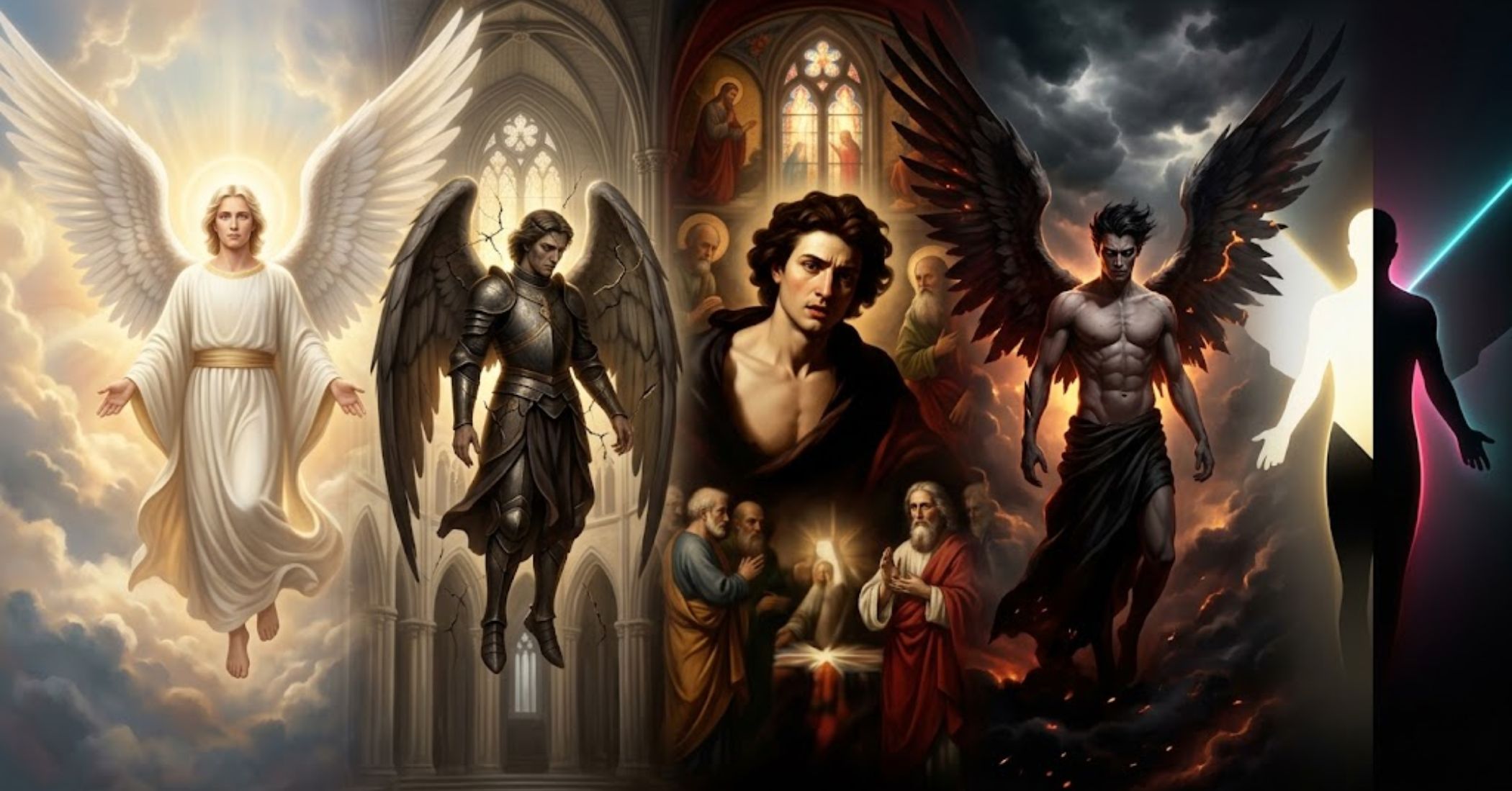
These descriptions are metaphorical rather than literal. Thus, any biblical attempt to depict Lucifer relies on symbolism, suggesting radiance rather than a frightening figure. This contrasts with modern representations, which are influenced more by art and literature than by the scriptures.
Lucifer’s Pre-Fall Glory According to Ezekiel
Ezekiel 28 describes the king of Tyre using symbolic imagery of beauty and wisdom. While often linked to Lucifer’s glory, the passage primarily serves as a poetic lament about a human ruler’s pride and eventual downfall. The “glory” referenced reflects status and wealth, rather than a literal angelic being.
The Morning Star Imagery in Isaiah’s Prophecy
The term “morning star” in Isaiah 14:12 refers to the planet Venus, symbolising bright glory. In ancient poetry, it represents exalted radiance that diminishes with daylight. Applied to Babylon’s king, it illustrates a significant fall from power and pride, emphasising lost greatness.
Does Lucifer Possess Physical Form After His Fall?
The Bible lacks clarity on Lucifer’s physical form post-fall, often portraying him as an adversary rather than a being with a defined appearance. Texts like the Book of Job and the New Testament describe Satan more as an accuser than an independent entity.
The notion of Lucifer taking on a specific physical form is not supported by scripture but rather evolved through theology, folklore, and artistic interpretations.
What Biblical Silence Tells Us Lucifer Is Not
One of the most revealing aspects of studying Lucifer is what the Bible does not say. It never clearly states that Lucifer is:
- The Bible does not explicitly identify Lucifer as the ruler of hell.
- It does not describe Lucifer as a horned demon or grotesque figure.
- Lucifer is not depicted as the leader of all evil spirits in scripture.
- The Bible does not provide a detailed backstory for Lucifer as a fallen angel.
Critical Distinction Between Lucifer and Satan in Scripture
The Bible does not clearly equate “Lucifer” and Satan. “Lucifer” appears once in Isaiah 14:12, referring to a fallen “morning star” in a poetic context about Babylon’s king. In contrast, Satan is portrayed throughout scripture as an adversary or accuser, not specifically linked to the name Lucifer.
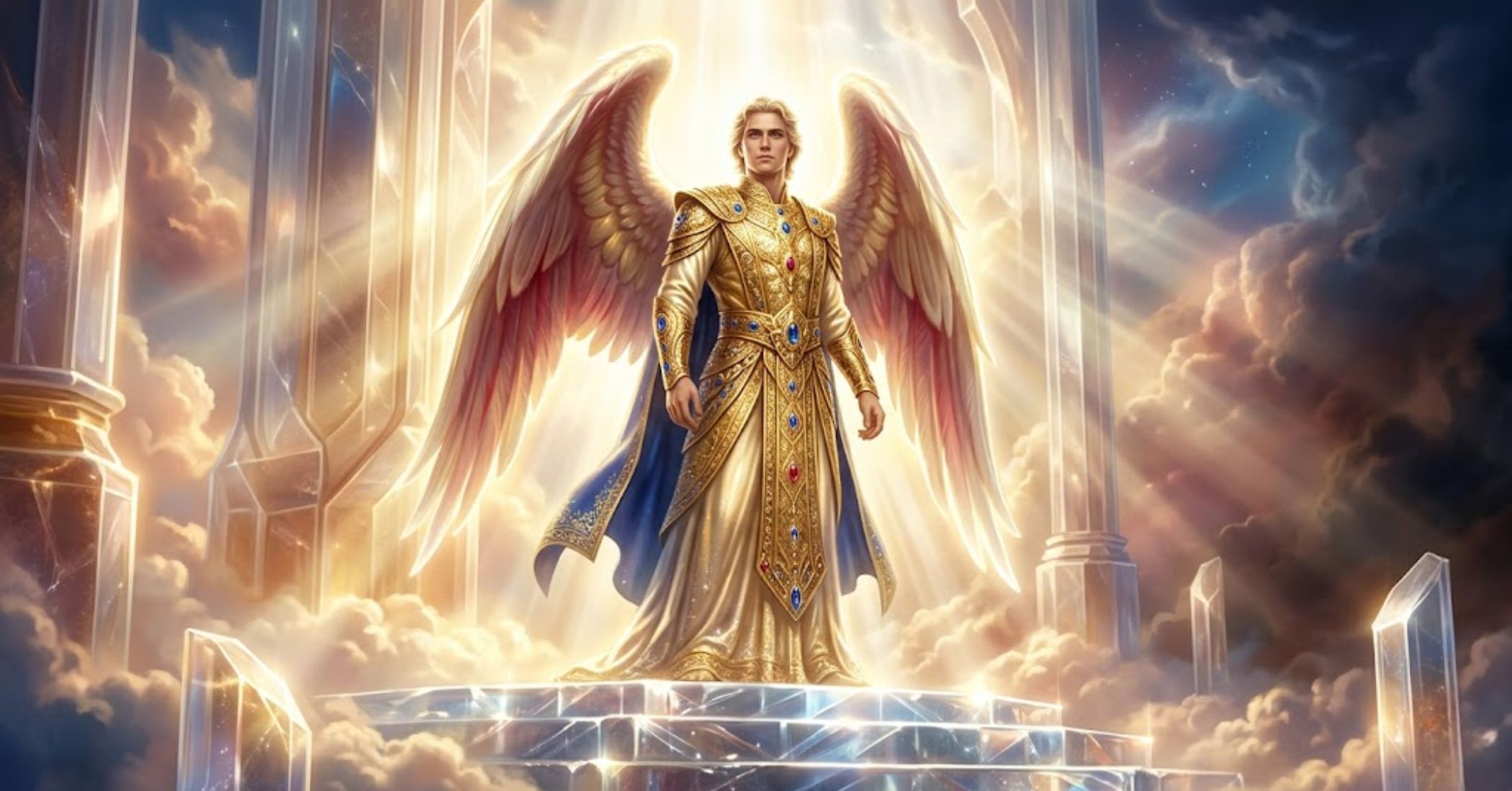
This distinction is important as it differentiates a symbolic passage from a broader theological interpretation. Although subsequent interpretations have combined these figures, the original biblical text maintains their separation.
Biblical Evidence Supporting Their Distinction
The strongest evidence lies in comparing how each figure is described in scripture:
- The “Lucifer” figure in Isaiah relates to a human king, using poetic imagery.
- In Job, Satan tests human righteousness as part of a divine council, not as a ruler.
- The New Testament depicts Satan as a tempter, without linking to Isaiah’s “morning star.”
- Ezekiel 28 describes the fall of the king of Tyre symbolically, not confirming a connection to Satan.
How Christian Tradition Merged These Figures
The merging of Lucifer and Satan evolved through centuries of interpretation rather than direct scripture. Early theologians linked symbolic passages such as Isaiah 14 and Ezekiel 28 with references to Satan.
This concept gained traction through influential literature and art, notably Milton’s *Paradise Lost*, which presented Lucifer as a rebellious angel turned Satan. Despite its popularity, this narrative is a literary creation rather than a biblical fact.
Over the years, these interpretations became ingrained in Christian teachings, significantly influencing how generations perceive the character of Lucifer.
Protestant Reformers’ Rejection of the Equation
During the Protestant Reformation, reformers advocated for returning to the original biblical texts and meanings. They questioned traditional interpretations that lacked scriptural support, particularly the equation of Lucifer with Satan. In the
historical and literary context, they encouraged reading passages like Isaiah 14 more critically. While some still accepted the Lucifer-Satan link, a more text-based understanding emerged. This shift underscored the need to differentiate between explicit biblical teachings and later traditions, fostering a deeper examination of scripture.
Why This Theological Distinction Matters Today
it has real implications for how scripture is interpreted. When symbolic passages are treated as literal history, it can lead to misconceptions about key theological ideas.
- Encourages more accurate, context-based Bible study
- Prevents the blending of poetic imagery with doctrinal claims
- Helps separate scripture from later cultural and literary influences
Biblically Accurate Account of Lucifer’s Fall and Significance
Lucifer’s “fall” is often misunderstood as a clear rebellion depicted in the Bible. Instead, scripture offers separate, poetic, and symbolic passages that collectively form a broader narrative. Primarily, the imagery originates from Isaiah 14, which describes a proud figure’s downfall.
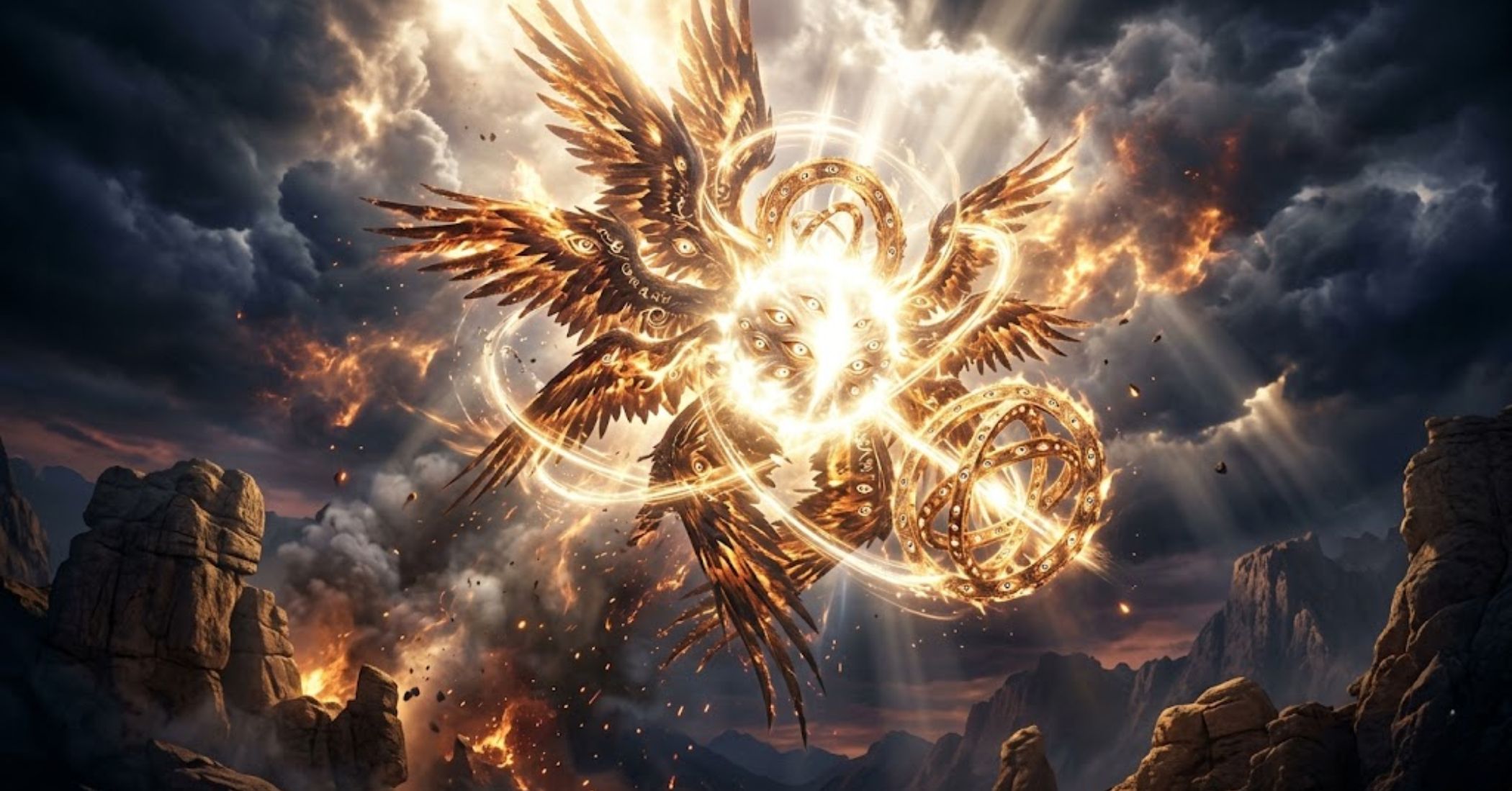
Later interpretations link this to Satan, emphasising themes of pride rather than detailing a specific angelic rebellion. Ultimately, the significance centres more on the idea of pride’s fall than on a defined character biography.
The Narrative of the Fallen Angel in Scripture
The concept of a fallen angel emerges from various biblical texts. References in the New Testament, particularly in Revelation 12, discuss Satan’s downfall, albeit in symbolic terms. Similarly, Isaiah 14 and parts of Ezekiel use celestial imagery to depict the fall of earthly kings.
Readers later linked these passages, creating the idea of a glorious angel rebelling against God. However, the Bible does not present this narrative as a coherent, single storyline.
Lucifer’s Five ‘I Will’ Declarations of Pride
One of the most striking elements often associated with Lucifer comes from Isaiah 14:13–14 in the Book of Isaiah. In this passage, the fallen figure makes a series of bold declarations:
- “I will ascend to the heavens”
- “I will raise my throne above the stars of God”
- “I will sit on the mount of assembly”
- “I will ascend above the tops of the clouds”
- “I will make myself like the Most High”
These statements reflect extreme pride and ambition. In context, they mock the arrogance of a human king who believed himself to be divine. Yet, when later interpreted spiritually, they became central to the idea of Lucifer’s rebellion against God.
The Nature of Sin: Pride in God-Given Perfection
The core issue in these passages is pride, seen in both human and heavenly beings. The elevated figure chose self-exaltation over humility.
Ezekiel 28 describes a ruler whose pride stems from beauty and success, highlighting that sin often begins with self-elevation above God rather than external rebellion. Lucifer’s story exemplifies how greatness can lead to downfall when pride dominates.
Catastrophic Consequences of Angelic Rebellion
In passages like Revelation 12 within the New Testament, we see imagery of a great conflict in heaven, where a dragon (commonly associated with Satan) is cast down to earth. This scene symbolises a decisive defeat and loss of position.
The text is symbolic, the message is clear: rebellion against divine authority leads to سقوط (fall), loss, and separation. The “catastrophic consequences” are not just physical but spiritual, representing the ultimate failure of prideful ambition.
The Scope of Rebellion: One-Third of Angels
A widely held belief is that one-third of the angels fell with Lucifer. This idea comes from interpreting Revelation 12:4 in the New Testament, where a dragon sweeps a third of the stars from the sky.
It’s important to note that the passage does not explicitly say these “stars” are angels who followed Lucifer. This interpretation developed later and became part of traditional teaching. While it may align with theological views, it is not clearly defined as a literal event in scripture.
Artistic Evolution of Lucifer’s Image Throughout History
Lucifer’s visual representation has changed dramatically over time, shaped far more by art, literature, and culture than by biblical description.
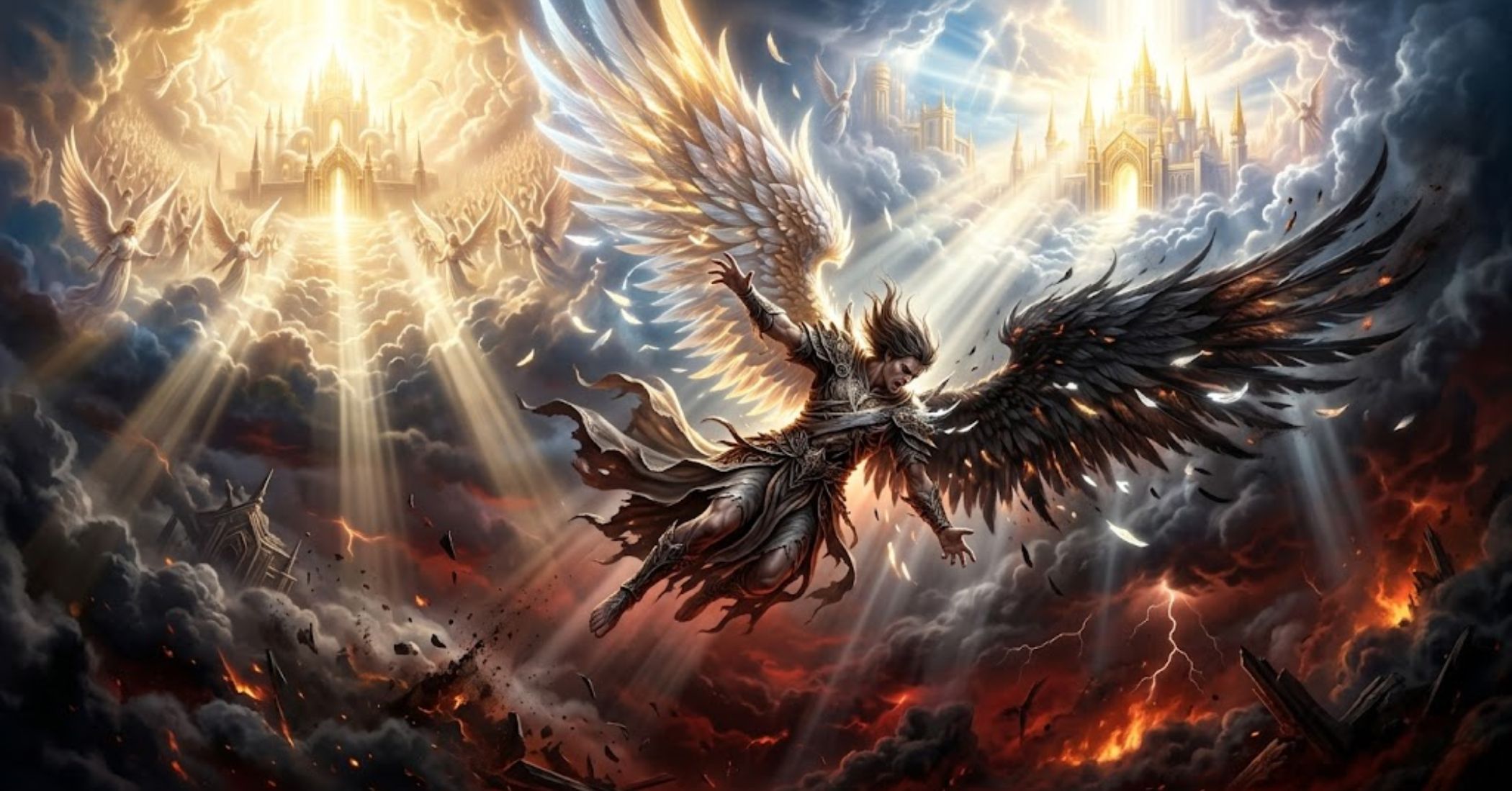
From ethereal light-bringers to the iconic red devil of modern media, the evolution of his image reflects shifting societal fears, aesthetics, and theological interpretations rather than scripture itself.
Early Medieval Period: The Ethereal Blue Angel
In the early medieval period, Christian art portrayed heavenly beings as luminous and ethereal. Angels were depicted in soft blues and golds, symbolising purity and divinity. Lucifer, when represented, appeared as a beautiful angel, reflecting the “morning star” from Isaiah 14.
This depiction emphasised brilliance and spiritual prominence, avoiding monstrous features or traditional demonic imagery. Instead, Lucifer was seen as a tragic, radiant figure rather than a fearsome demon.
High Medieval Transformation to Grotesque Forms
During the High Middle Ages, depictions of Lucifer changed to more grotesque forms, reflecting the Church’s aim to convey the consequences of sin and pride. Artists illustrated Lucifer and fallen angels with distorted bodies and dark colours to emphasise moral lessons.
This contrast highlighted the beauty of pre-fallen angels against the horror of rebellion. Although the Bible did not specify these physical traits, artists exaggerated features to visually express spiritual truths about pride, punishment, and evil.
Renaissance Romanticisation: Milton’s Tragic Rebel
The Renaissance reinterpreted Lucifer as a complex, charismatic rebel in Milton’s *Paradise Lost*. This portrayal, highlighting his intelligence and ambition, garnered sympathy. Visual arts of the time mirrored this literary view, focusing on Lucifer’s inner conflict and nobility.
Artists balanced moral caution with dramatic storytelling, transforming Lucifer’s image into a narrative-rich character rather than solely a theological warning.
Victorian Era Through Modern: The Theatrical Red Devil
By the Victorian era and into modern media, Lucifer’s depiction had transformed into the iconic red devil with horns, a pitchfork, and grotesque, theatrical features. This interpretation owes more to folklore, theatre, and popular culture than to scripture or medieval art.
Movies, cartoons, and literature amplified these traits, creating a visual shorthand for evil that audiences instantly recognised. The red devil of modern imagination—horned, fanged, and menacing—bears little resemblance to the biblically accurate morning star of Isaiah or the radiant angel of early art.
Contrasts Between Artistic and Biblical Portrayals
The contrast between artistic imagination and scripture is stark:
- Biblical Lucifer – a symbolic “morning star,” radiant in glory, a poetic figure tied to pride and fall, not a demon or ruler of hell.
- Artistic Lucifer – ranges from ethereal blue angel to tragic rebel to horned red devil, shaped by cultural storytelling, moral allegory, and dramatic effect.
Understanding this distinction underscores the importance of returning to the text itself.
Theological Insights from a Biblically Accurate Lucifer
Studying Lucifer biblically highlights key lessons on pride, free will, and the nature of sin. Contrary to traditional myths, scripture focuses on principles and their consequences, avoiding sensationalism.
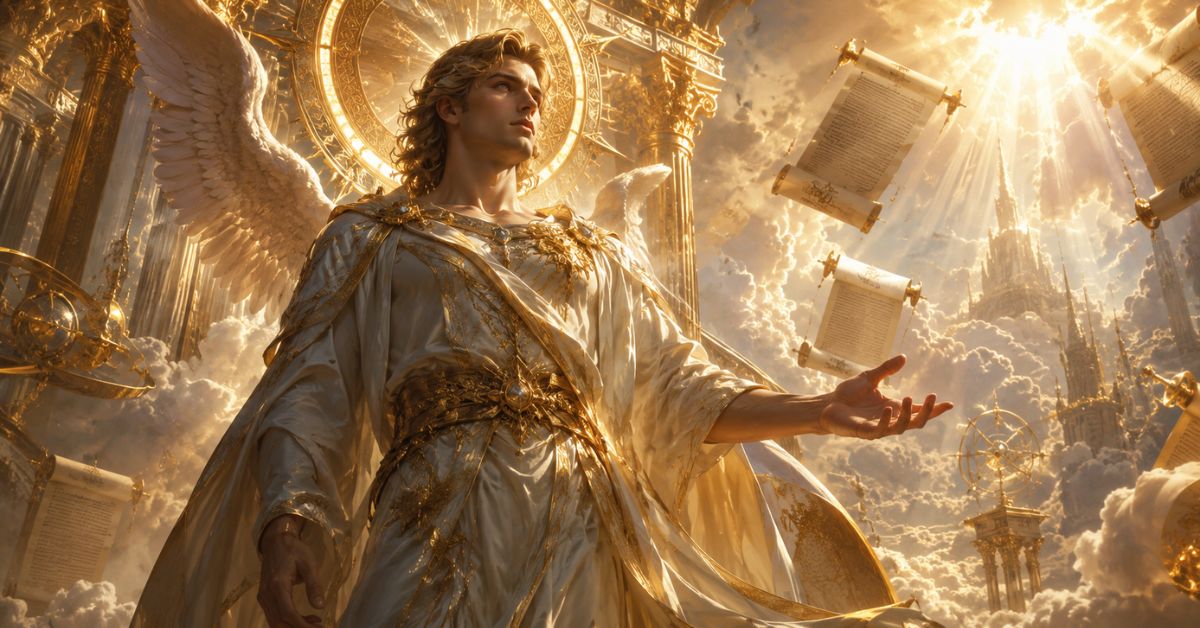
The Paradox of Created Perfection and Free Will
The paradox of rebellion exists even among perfect beings, as seen in biblical texts like Isaiah 14 and Ezekiel 28. These passages suggest that attributes such as status, beauty, and ability do not ensure loyalty to God.
Lucifer, symbolising this concept, illustrates that free will is vital to moral order. Consequently, even those given great gifts can defy divine authority, emphasising the significant responsibility inherent in creation.
The Origin of Evil Within a Perfect Being
Scripture suggests that evil does not originate from creation itself but from the misuse of God-given gifts. Pride, ambition, and self-exaltation transform what is initially good into rebellion.
In the case of Lucifer, the narrative—whether applied to a symbolic figure or a theological archetype—illustrates how corruption begins internally, within a being who was originally perfect. This is a stark reminder that evil is relational and moral, not an inherent property of creation.
Pride’s Specific Temptation: Giftedness and Position
The “I will” declarations in Isaiah 14 (ascending to the heavens, setting one’s throne above the stars of God) show that pride often targets those who are already gifted and exalted. Power, intelligence, beauty, or authority can tempt beings to place themselves above God, thinking they are self-sufficient.
This principle extends to humanity as well. Those blessed with talents, influence, or status face the same temptation: to rely on themselves rather than on God. Lucifer’s example becomes a cautionary tale about the subtle dangers of pride.
Cosmic Implications: Corrupting Others and Spiritual Warfare
The fall of prideful beings has broader cosmic consequences, as shown in Revelation 12. Rebellion leads to deception and corruption, exemplified by Lucifer’s story, illustrating how disobedience triggers conflict and spiritual warfare.
This highlights that sin affects not just individuals but entire communities, emphasising the interconnectedness of moral choices and the responsibilities tied to influence.
Lessons for Humanity: Humility and Dependence on God
The biblically accurate study of Lucifer offers clear lessons for humans:
- Pride can be perilous, regardless of our achievements.
- True security lies in dependence on God, not self.
- Humility helps avoid personal and communal failures.
- Spiritual vigilance is essential against rebellion and moral decay.
Conclusion
The revelations surrounding Biblically Accurate Lucifer angel challenge us to reconsider preconceived notions about good and evil. These astonishing facts illustrate the intricate relationship between creator and creation, reminding us that even the most misunderstood figures have depth and purpose.
This exploration encourages a more nuanced understanding of biblical texts and the characters they depict. By reflecting on these insights, we can enrich our discussions about morality, spirituality, and human choice. Dive deeper into these themes and let them guide your journey of exploration and understanding.
FAQS
What Does Lucifer Look Like?
The Bible does not give a detailed physical description of Lucifer. He is symbolically associated with the “morning star,” representing beauty, glory, and a high status before his fall. Most popular images of Lucifer come from tradition, not Scripture.
Who Is Lucifer In The Bible?
Lucifer, often identified with the “morning star” in Isaiah 14:12, is traditionally understood as a proud angel who fell from grace due to his rebellion against God. This character is frequently associated with the devil in Christian theology, symbolising pride and the consequences of turning away from divine authority.
What Is Biblically Accurate Satan?
Biblically accurate Satan is often depicted as a powerful and cunning adversary, originally created as a beautiful angel before his fall from grace. He embodies deception, temptation, and opposition to God’s will, actively seeking to lead humanity away from divine truth.
What Is Description Of Lucifer In The Bible?
In the Bible, Lucifer is often associated with pride and rebellion against God, famously depicted in Isaiah 14:12-15 as a fallen angel cast from heaven due to his desire to ascend above God. He is commonly linked to Satan, representing the embodiment of evil and temptation in both the Old and New Testaments.
What Did Lucifer Look Like?
Lucifer is often depicted as a radiant figure, symbolising beauty and light, typically illustrated with a bright halo and majestic wings. In various texts, he embodies both divine elegance and a darker, rebellious nature after his fall grace.