Is Tristan in the Bible? Meaning, Origin & Spirit (2026)
The name “Tristan” may not be found in the Bible, but its story carries layers of significance that echo biblical narratives of resilience and devotion. “Is Tristan in the Bible?” invites us to sift through layers of literary and spiritual tradition to uncover the truth.
Many people don’t realize how names can shape our understanding of spiritual texts, and Tristan’s story is no exception. Let’s explore the origin of the name and delve into the spiritual insights it provides, helping you uncover hidden connections that enhance your understanding of faith and human experience.
Tristan in the Bible
Tristan, a name often associated with chivalric romance and medieval tales, surprisingly does not appear in the Bible. This absence invites exploration into the deep-seated connections between Biblical figures and later literary traditions.
While many may search for Tristan among the pages of scripture, his legend emerges from distinctly different roots, primarily within Celtic and Arthurian mythos.
This reveals how folklore shaped narratives around characters who, while not Biblical, resonate with moral and existential themes akin to those found in scripture.
Is the name Tristan in the Bible?
The name Tristan does not appear in the Bible, sparking curiosity about its origins and roots.
While some may assume that a name so often associated with chivalrous tales and romance has biblical ties, its etymology actually points to a more complex heritage rooted in medieval literature.

The name is typically linked to the Latin word “tristis,” meaning “sad” or “sorrowful,” often painting Tristan as a character marked by tragic love, such as in the famous story of Tristan and Isolde.
Tristan Name Meaning Bible
The name Tristan does not appear directly in the Bible, but its roots and connotations can offer fascinating insight into its significance. Often associated with the Celtic word for “tumult” or “outcry,” Tristan also evokes notions of strength and resilience.
Those familiar with Arthurian legend may see further depth, where Tristan is depicted as a noble knight whose life experiences illustrate the complexities of love and loyalty — attributes that resonate deeply with biblical themes.
The Real Origin of Tristan—Celtic Roots Meet Christian Europe
The tale of Tristan, often associated with love and adventure, has deeper roots that intertwine with Celtic mythology and the emergence of Christianity in Europe.
The Latin Connection
The name “Tristan” resonates deeply within the tapestry of cultural legends, often intertwining Celtic folklore with Christian narratives. While many may ponder, “Is Tristan in the Bible?”, the truth unfolds in the realm of myths and medieval literature.
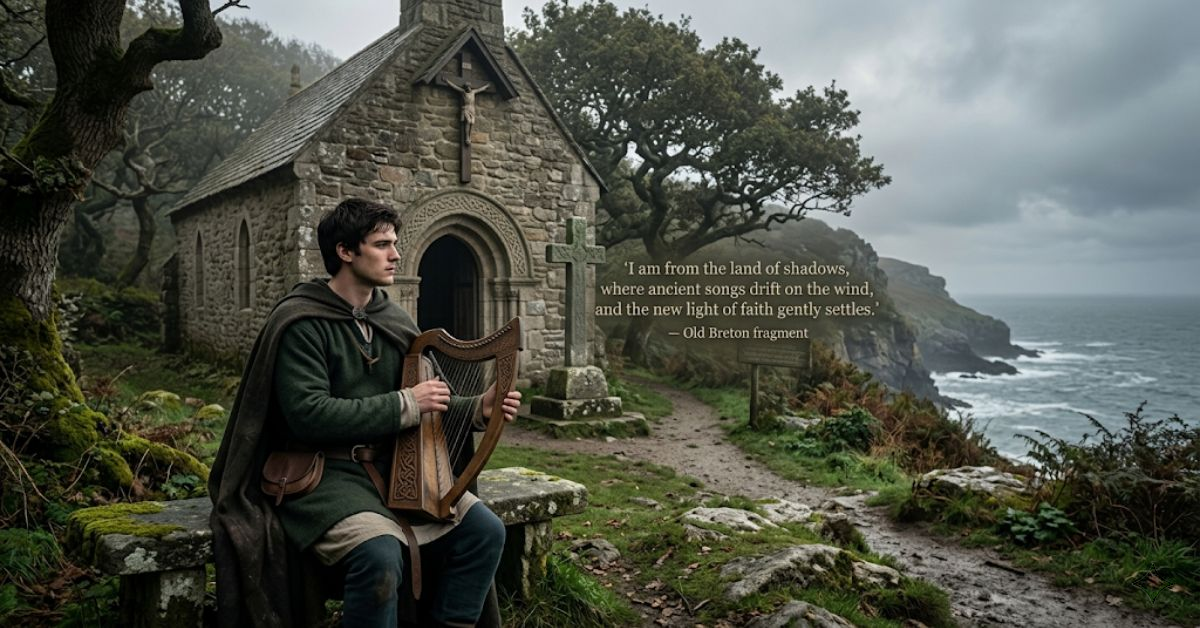
Tristan, a noble hero of the Arthurian cycles, symbolizes the fusion of pagan and Christian values, showcasing how Celtic roots seamlessly melded into the evolving European landscape.
The Celtic Alternative
The story of Tristan, often associated with the tragic romance of Tristan and Isolde, reveals a fascinating intersection of Celtic roots and Christian influence that offers a broader understanding of its narrative.
While some may wonder, “Is Tristan in the Bible?” the answer is no; his tale unfolds in medieval literature rather than holy scripture. However, his character embodies themes of fate, love, and sacrifice, intertwining with the medieval ethos prevalent in both Celtic and Christian storytelling.
Medieval Synthesis
The concept of Medieval Synthesis reveals the intricate web of cultural and religious influences that shaped Europe during the Middle Ages.
Central to this narrative is the tale of Tristan, a character whose roots lie deeply embedded in Celtic mythology, yet whose story flourished within a Christian framework.
Not merely a romantic hero, Tristan’s journey contemplates themes of loyalty, love, and fate, inviting us to examine how pagan traditions were absorbed and reshaped by emerging Christian ideologies.
Biblical Themes That Mirror Tristan’s Meaning
Biblical themes resonate with the meaning of Tristan, often associated with turbulence and sadness.
Sorrow as Sacred Pathway
Sorrow often emerges as a profound teacher, illuminating the deeper layers of our spiritual existence. In the realm of sacred pathways, it can act as an unexpected guide, leading us toward resilience and transformation.
Tumult and Divine Purpose
Tumult often marks the turning points in our lives, pushing us into deeper realms of understanding. In the Bible, tumult appears as a precursor to divine purpose — a challenging backdrop against which growth and revelation occur.
From Grief to Glory
Grief can be a heavy burden, often leading individuals to a profound sense of loss and despair. The journey from grief to glory often echoes Biblical themes that resonate deeply with many.
Read Also: 50+ Church Anniversary Bible Verses to Celebrate Faith
Tristan as a Christian Name—The Verdict
Tristan, though not directly mentioned in the Bible, carries a rich tapestry of connotations that resonate with themes of bravery and romanticism, often associated with the tragic hero of Arthurian legend.
What Makes Any Name “Christian”?
The essence of what makes a name “Christian” often lies in its historical and cultural significance rather than strict biblical roots. For example, the name Tristan, while not directly found in Scripture, carries themes of sacrifice and heroism that resonate with Christian values.

Historical Precedent
The concept of historical precedent plays a crucial role in shaping our understanding of names and their significance.
Take the example of “Tristan” in the Bible; while not directly mentioned, this name’s roots trace back to legendary tales of loyalty and love, such as the story of Tristan and Isolde.
Intention Matters Most
Intention shapes our reality, guiding us in every action we take. In the context of the legendary figure Tristan, whose meanings delve into loyalty and bravery, the power of intention becomes even more pronounced.
Intention matters most because it paves the way for authenticity and meaningful impact in our lives.
Practical Considerations
Practical considerations play a crucial role in choosing a name with historical and cultural significance. Tristan, prominently featured in the Bible and folklore, offers a unique blend of tradition and modernity.
The biblical implications of the name can resonate deeply, making it a compelling choice for parents seeking a meaningful identifier for their child. It embodies themes of loyalty, love, and heroism, aligning well with Christian values.
Better Than Many “Biblical” Names
Tristan is often overshadowed by more common biblical names, yet it carries an intriguing depth that many overlook. While it may not appear in scripture, its roots can be traced to the legend of Tristan and Isolde, symbolizing themes of love, sacrifice, and heroism.
These qualities resonate with Christian values, offering a modern twist to traditional naming conventions.
Separating Medieval Legend from Biblical Truth
Medieval legends, such as the tale of Tristan, often blur the lines between historical fact and spiritual truth. While Tristan’s story is one of chivalry and tragic love, it does not find its roots in biblical texts.

The Legend’s Basic Plot
The legend of Tristan, often intertwined with tales of chivalry and romance, presents a compelling narrative that captures the imagination. While some may search for Tristan in the Bible, it’s essential to differentiate the legendary aspects from historical and biblical truths.
Where the Legend Conflicts with Scripture
The tale of Tristan, a figure enshrined in medieval romance, often finds itself at odds with Biblical narratives. While many may associate Tristan with themes of love and heroism, the Bible upholds a different set of values that focus on faith, obedience, and divine purpose.
Where It Aligns (Sort Of)
The character of Tristan often evokes images of chivalry and romantic love, thanks to medieval legends that have spun his tale into a compelling narrative.
The Bible does not directly mention Tristan, but themes of loyalty, sacrifice, and the struggle between love and duty resonate through both traditions.
Redeeming Cultural Narratives
Redeeming cultural narratives involves reassessing stories that have shaped societal understanding, particularly those that conflate legend with historical truth. A prime example can be found in the tale of Tristan.
How to Frame the Name’s Legacy
Framing the name’s legacy involves discerning how figures like Tristan from the Bible differ from medieval legends. While the character of Tristan often embodies the ideals of chivalry and courtly love in later tales, the biblical context provides a rich yet distinct narrative.
Understanding these differences can illuminate the cultural and theological implications of his story, emphasizing the significance of separating medieval legend from biblical truth.
Does Tristan Have Hebrew Roots?
The name Tristan has long intrigued scholars, particularly regarding its roots. While often associated with Arthurian legends and the tales of love and chivalry, its etymology is less clear-cut.
Some argue that its origins trace back to the Latin word “tumultus,” meaning “tumult” or “outcry,” showcased in the stories of heroic struggle. Some interpretations suggest a connection to the Hebrew name “Tirzah,” which means “delight” or “pleasant,” offering a fresh layer of meaning that extends beyond mere heroism.
Exploring the Tristan meaning in Hebrew can provide fascinating insights. Although it’s not a biblical name, Tristan resonates with qualities celebrated in Hebrew culture: strength, loyalty, and the pursuit of love.
Such qualities might lead one to compare it indirectly to biblical figures known for their enduring passions and trials, inviting a broader understanding of the name’s emotional resonance across different cultures.
Bible Verses Perfect for a Child Named Tristan
For a child named Tristan, certain Bible verses resonate beautifully with themes of strength, kindness, and courage.
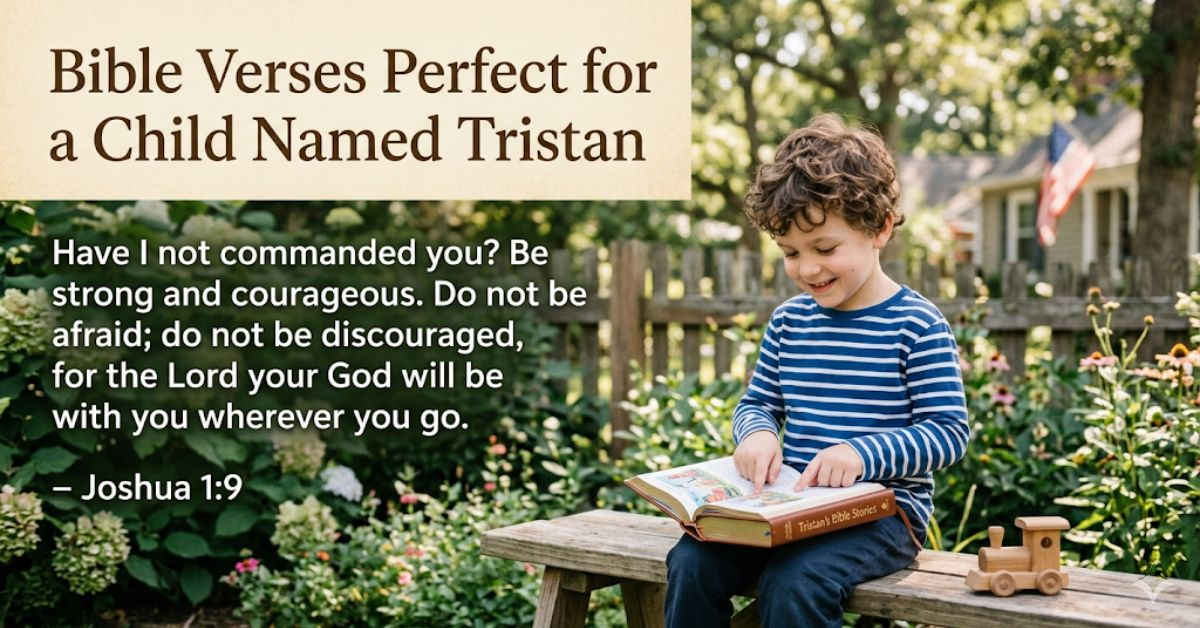
- Jeremiah 29:11 _ “For I know the plans I have for you, declares the Lord, plans to prosper you and not to harm you, plans to give you hope and a future.”
- Psalm 147:3 _ “He heals the brokenhearted and binds up their wounds.”
- 2 Corinthians 4:17 _ “For our light and momentary troubles are achieving for us an eternal glory that far outweighs them all.”
- Romans 8:28 _ “And we know that in all things God works for the good of those who love Him, who have been called according to His purpose.”
- Isaiah 43:2 _ “When you pass through the waters, I will be with you; and when you pass through the rivers, they will not sweep over you.”
- James 1:12 _ “Blessed is the one who perseveres under trial because, having stood the test, that person will receive the crown of life.”
- Matthew 17:20 _ “If you have faith as small as a mustard seed, nothing will be impossible for you.”
Conclusion
The inquiry of “Is Tristan in the Bible?” invites us to explore how literary and spiritual narratives intersect. Although Tristan is not mentioned in biblical texts, his tale is woven into the fabric of mythology and literature, illustrating universal themes that find parallels in scripture.
This distinction encourages readers to appreciate the rich tapestry of stories that shape moral and ethical beliefs. By understanding the origins and meanings behind such characters, we can gain deeper insights into our spiritual lives.
FAQs
Is the name Tristan mentioned in the Bible?
No, the name Tristan does not appear in the Bible. It is a name with origins in medieval romance literature.
What is the origin of the name Tristan?
Tristan is of Celtic origin, likely derived from the Welsh name “Drystan,” meaning “tumult” or “riot.”
What is the connection between Tristan and King Arthur’s legend?
Tristan is a prominent figure in Arthurian legends, particularly in the story of Tristan and Isolde, representing themes of love and chivalry.
Does the name Tristan have any Spiritual significance?
While not biblical, Tristan can symbolize themes of loyalty, bravery, and tragic love, which may provide spiritual insights for some.